


 US
 Canada
 France
 Australia
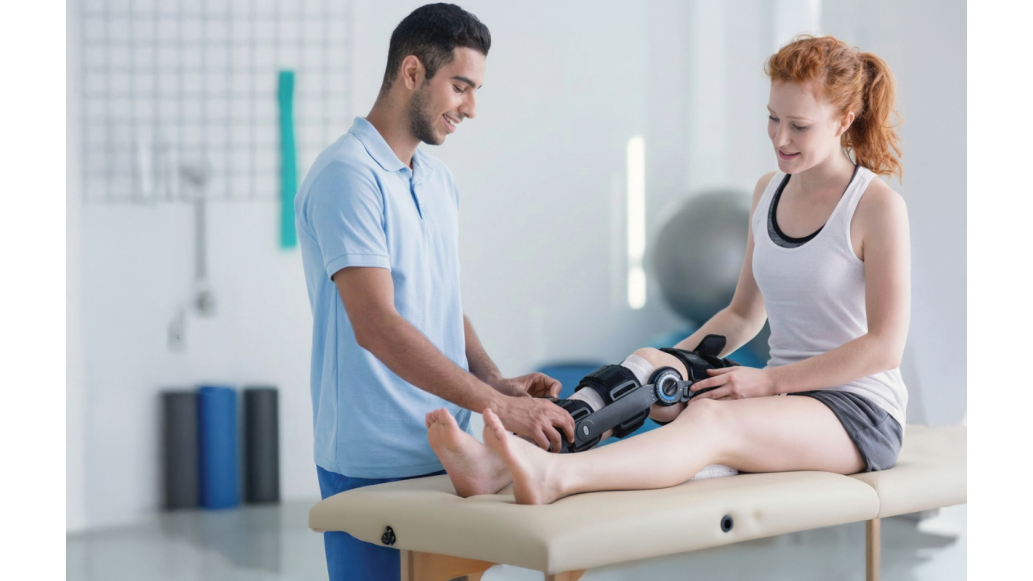
Orthopaedic supports can play an important role in rehabilitation, providing targeted support, stabilisation, positioning or protection according to the patient's clinical needs. The appropriate solution will depend on factors including the anatomical area, treatment goals, required level of support and the patient's ability to tolerate the device.
For physiotherapists, occupational therapists and other healthcare professionals, selecting the right support involves more than choosing a product for a particular body part. From elbow and spinal supports to cervical collars, positioning aids and pressure care equipment, different solutions can be incorporated into rehabilitation programmes to support patients across a range of clinical settings.
What to Consider When Selecting an Orthopaedic Support
The primary consideration when selecting an orthopaedic support should be the clinical objective. A support may be required to provide stability, protect a joint or soft tissue structure, assist positioning, reduce unwanted movement or improve comfort during everyday activities.
Clinicians should also consider the anatomical area being supported, the patient's functional requirements and how the support will be used throughout rehabilitation. Adjustability, fit, comfort and ease of application can all influence whether a patient is able to use a support consistently.1
Performance Health provides a broad range of orthopaedic supports and braces designed for different areas of the body and clinical applications.
Upper Limb and Elbow Supports
Supports for the upper limb can provide targeted assistance where pain, instability or repetitive loading affects function. Depending on the clinical presentation, a support may be used to provide localised compression, limit aggravating movement or help manage symptoms during activity.
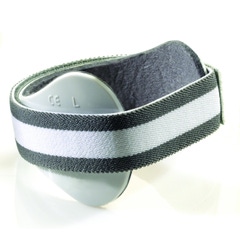
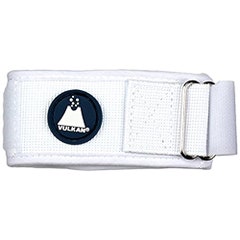
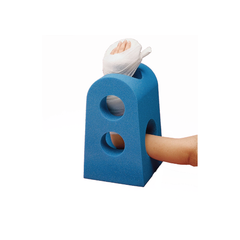
The Epicondylitis Clasp provides targeted support around the forearm and elbow and can be incorporated into rehabilitation programmes for patients experiencing symptoms associated with epicondylitis. Its design allows support to be positioned below the elbow, helping clinicians provide localised compression while allowing movement of the joint.
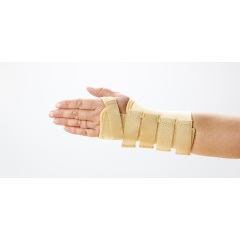
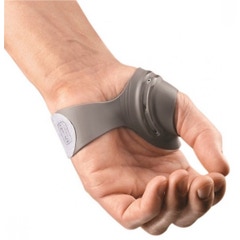
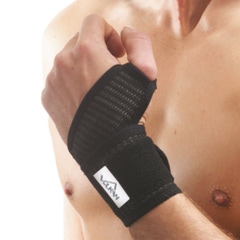
Other upper limb support products can address different requirements, including hand and finger protection, joint support and management of symptoms associated with arthritis. The choice of support should reflect the patient's presentation and the intended function of the device rather than relying solely on the anatomical location.


Spinal and Pelvic Supports
Spinal and pelvic supports can be used when additional stability or support is required around the lower back and pelvis. These products are not interchangeable, and the appropriate choice depends on the area requiring support and the clinical objective.
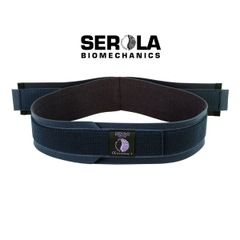
The Serola Sacroiliac Belt is designed to provide support around the pelvis and sacroiliac region. Its positioning around the pelvis makes it distinct from a traditional lumbar support and provides clinicians with an option when targeted pelvic support is required.
When selecting a spinal or pelvic support, clinicians should consider the level and location of support required, the patient's functional activities and whether the product needs to be worn during movement, exercise or everyday tasks.


Cervical Support and Head Positioning
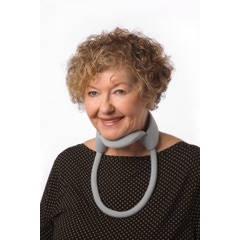
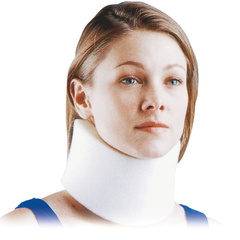
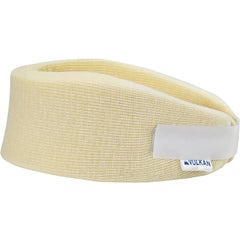
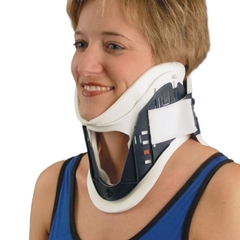
Cervical supports can provide additional support where maintaining head and neck positioning is an important part of patient care. For some patients, the clinical objective may be less about restricting movement and more about providing appropriate support for head control and functional positioning.
The Headmaster Collar provides support for the head and neck and is designed for patients who require additional assistance with head positioning. It can be particularly relevant within occupational therapy and neurological rehabilitation where maintaining functional head position may form part of a wider postural management programme.
As with other orthopaedic supports, correct assessment and fitting are important to ensure that the support is appropriate for the individual patient's needs.
Positioning and Postural Support
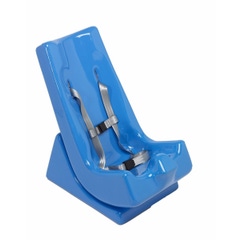
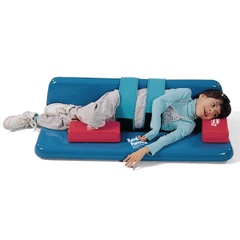
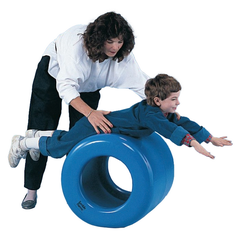
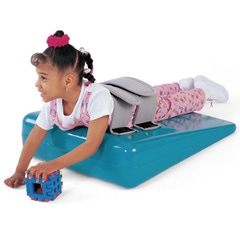
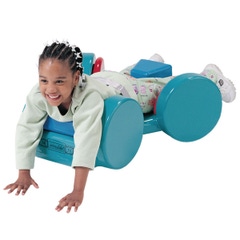
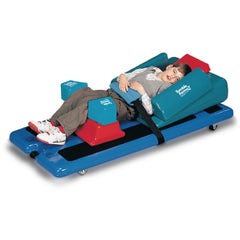
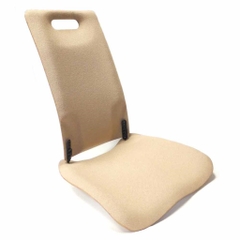
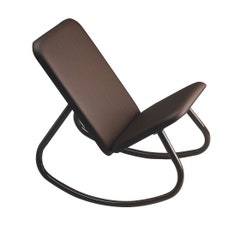
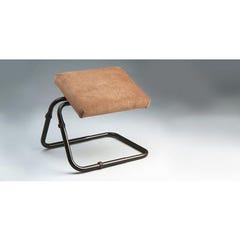
Not all clinical support needs to take the form of a brace or orthosis. Positioning products can also help clinicians address postural alignment and functional positioning during seated activities, rehabilitation and everyday tasks.
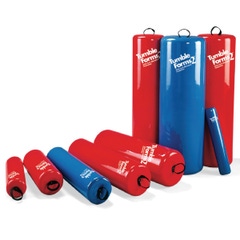
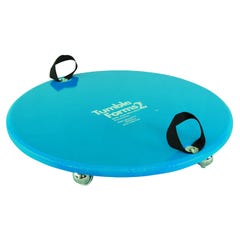
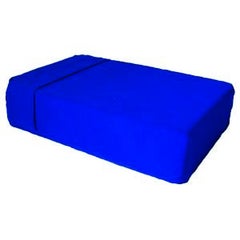
A range of positioning products can provide additional options when patients require support to maintain a more appropriate posture or functional position.
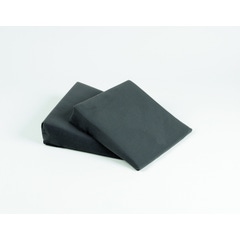
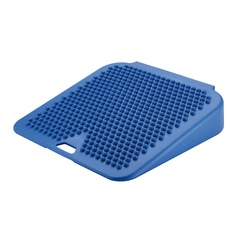
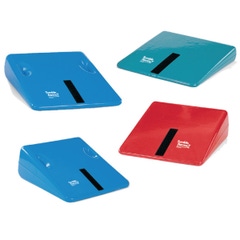
The Seat Wedge, for example, can be used to alter the seating position and provide a simple positioning solution where changes to pelvic or seated alignment are required. For occupational therapists and other clinicians working on functional independence, positioning aids can complement other rehabilitation interventions by helping patients maintain appropriate positioning during everyday activities.



Bed Positioning and Pressure Management
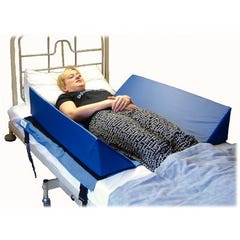
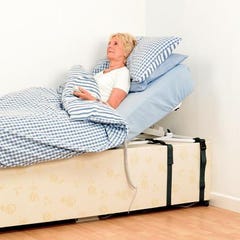
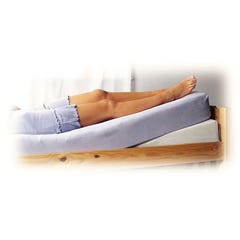
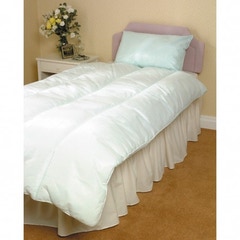
Support and positioning requirements can also extend beyond active rehabilitation. Patients who spend prolonged periods in bed may require equipment that improves comfort, assists positioning or reduces unwanted contact between bedding and sensitive areas of the body.
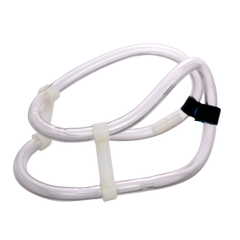
Bed Cradles provide support for bed linen, helping to keep blankets and sheets away from the feet and lower limbs. They may be useful where contact from bedding causes discomfort or where additional space around a sensitive area is required.
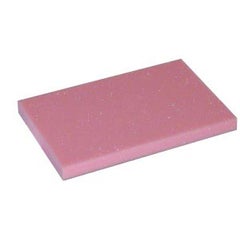
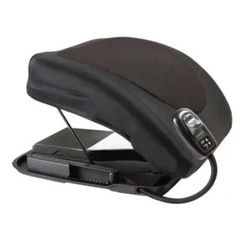
Where pressure management is part of a patient's care plan, clinicians can also consider pressure care cushions and supports. NICE recommends considering seating needs and appropriate pressure-redistributing cushions for adults at risk of pressure ulcers who use a wheelchair or sit for prolonged periods.2
Pressure management should be based on individual assessment, taking into account factors such as mobility, ability to reposition, clinical risk and the location of areas requiring pressure relief. Appropriate equipment should form part of a wider individualised care plan rather than being considered in isolation.2
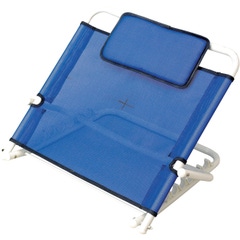
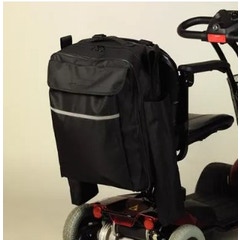
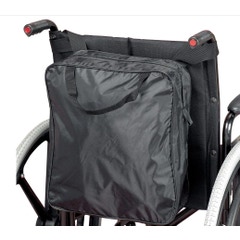
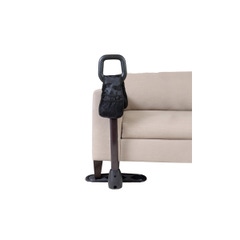
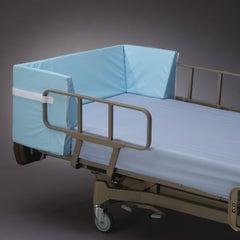
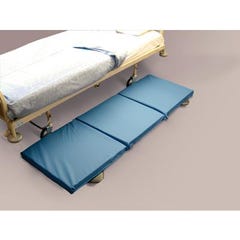
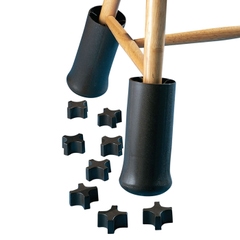
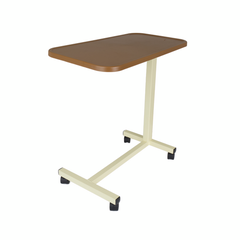
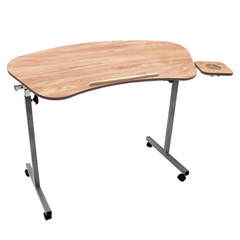
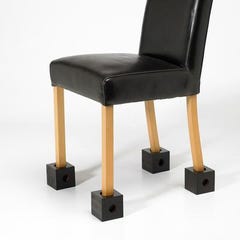
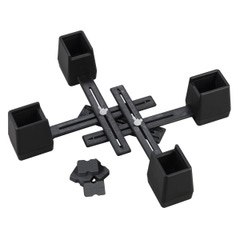
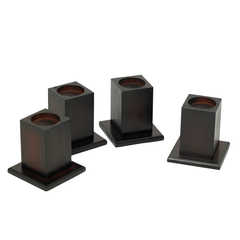
Depending on the care environment, bed and chair accessories can provide additional practical solutions for positioning, comfort and everyday patient care.



Choosing Support According to the Clinical Objective
The most appropriate support will depend on what the clinician is aiming to achieve. Stabilisation, positioning, protection, pressure reduction and maintaining functional movement may each require a different approach.
It is also important to consider how the patient's needs may change throughout rehabilitation. A support that is appropriate during an early stage of recovery may not remain suitable as movement, strength, pain or functional ability changes. Regular review can help ensure that the selected equipment continues to support the patient's treatment goals.
This approach reflects the importance of professional judgement and evidence-informed practice when selecting interventions and equipment for individual patients.1
Where appropriate, orthopaedic supports can form part of a broader rehabilitation programme alongside therapeutic exercise, education, functional activities and other clinical interventions.
Supporting Rehabilitation Beyond the Clinic
Continuity between clinical treatment and everyday life can be an important consideration when recommending rehabilitation equipment. Patients may need to continue exercises, positioning strategies or supportive interventions outside the clinical environment, particularly where ongoing rehabilitation forms part of their longer-term management.
Performance Health's Clinic2Home programme supports clinicians who want to recommend rehabilitation products for patients to purchase directly. This can be particularly useful where a clinical service does not have a budget to provide equipment for patients to take home, allowing clinicians to identify suitable products that patients can purchase for continued use outside the clinic.
Professional Rehabilitation Resources
Healthcare professionals can also access additional resources from Performance Health to support ongoing clinical learning and product knowledge.
-
NHS Webinar Library – access free educational webinars covering rehabilitation and clinical topics.
-
Rolyan Videos – explore practical demonstrations and guidance relating to splinting and rehabilitation.
-
Trusted by NHS – explore selected products available for NHS professionals through NHS Supply Chain.
Conclusion
Selecting an orthopaedic support should begin with the patient's clinical requirements and the intended purpose of the equipment. From targeted joint and spinal support to cervical positioning, seating solutions and bed accessories, different products can address different stages and aspects of patient care.
By considering the level of support required, patient comfort, functional goals and how needs may change throughout rehabilitation, healthcare professionals can select solutions that complement wider treatment programmes and support patients across clinical and home care environments.
References
- Royal College of Occupational Therapists. (2026, July 14). Professional standards for practice, conduct and ethics. Royal College of Occupational Therapists. Retrieved 24 August 2026 from https://www.rcot.co.uk/explore-resources/standards-guidelines/professional-standards-conduct-ethics
- National Institute for Health and Care Excellence. (2014). Pressure ulcers: prevention and management (CG179). NICE. Retrieved 24 August 2026 from https://www.nice.org.uk/guidance/cg179
Medical Disclaimer: The information provided on this site, including text, graphics, images, and other material are for informational purposes only and are not intended to substitute for professional medical advice, diagnosis, or treatment. Always seek the advice of your physician or other healthcare professional with any questions or concerns you may have regarding your condition.