



 US
US Canada
 France
 Australia
Splint fabrication plays a vital role in rehabilitation, especially in the management of hand and upper limb conditions. In a recent video demonstration, hand therapist, Nicola Goldsmith showcases how the Rolyan Splint Bath and thermoplastic materials are used to create functional splints for patients with rheumatoid arthritis. This article summarises that demonstration, highlighting key features of the bath and best practices in using thermoplastics in clinical settings.
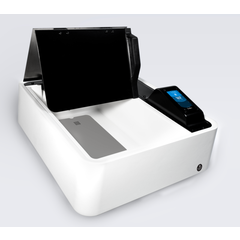
What is the Rolyan Splint Bath?
The Rolyan Splint Bath is a specialised water bath designed for softening thermoplastics to the ideal temperature and consistency for orthotic moulding. Its digital controls and preset programmes allow clinicians to heat materials quickly and safely, with minimal guesswork.
Key Features:
- Digital display for precise temperature and time control
- Custom and preset heating modes to match Rolyan thermoplastics
- Auto on/off programming for efficient clinic flow
- Built-in UV-C water filtration and daily high-heat sanitisation
- Low-water shut-off and thermal safety features for peace of mind
The bath is designed with both functionality and infection control in mind—two essentials in busy hand therapy clinics.


Thermoplastics for Swan-Neck and Boutonniere Deformities
Thermoplastic materials are widely used in hand splinting due to their adaptability, lightweight feel, and patient comfort. When used with the Rolyan Splint Bath, these sheets become pliable and ready to mould directly to the patient’s anatomy.
Clinical Benefits:
- Custom fit for precise support and positioning
- Re-mouldable and trimmable, allowing for adjustments over time
- Breathable and lightweight, promoting wear tolerance
- Applicable across conditions, from arthritis to nerve and tendon injuries
In the video Goldsmith demonstrates how the splints are designed for swan-neck and boutonniere deformities—common challenges in rheumatoid arthritis—highlighting the flexibility and precision of thermoplastic applications.
Best Practices for Splint Fabrication
Through the course of her demonstration, Goldsmith offers practical tips for clinicians using thermoplastics with the Rolyan Splint Bath. These include:
- Preheat using programmed settings to reach optimal softness
- Use tongs or gloves to safely retrieve the heated material
- Form the splint quickly while the material is still pliable
- Cool the splint with damp towels or airflow to lock in shape
- Trim and refine edges for patient comfort and safety
Consistent documentation of material type, temperature, and timing can help standardise fabrication and ensure repeatable outcomes across multiple patients.
How the Rolyan Splint Bath Supports Clinical Excellence
Using the right tools can enhance both treatment outcomes and clinic efficiency. The Rolyan Splint Bath ensures a controlled, hygienic, and streamlined heating process—crucial for the effective use of thermoplastics in splinting. Combined, they give therapists the ability to deliver comfortable, durable, and functional splints tailored to each patient’s needs.
For therapists working with complex hand conditions, such as those seen in rheumatoid arthritis, these tools offer a reliable solution that supports best-practice splinting and patient satisfaction.
Watch the Full Video: Splinting Techniques Demonstration
Explore Our Full Range of Splinting Products
Medical Disclaimer: The information provided on this site, including text, graphics, images, and other material are for informational purposes only and are not intended to substitute for professional medical advice, diagnosis, or treatment. Always seek the advice of your physician or other healthcare professional with any questions or concerns you may have regarding your condition.
This article was written with the help of AI.